
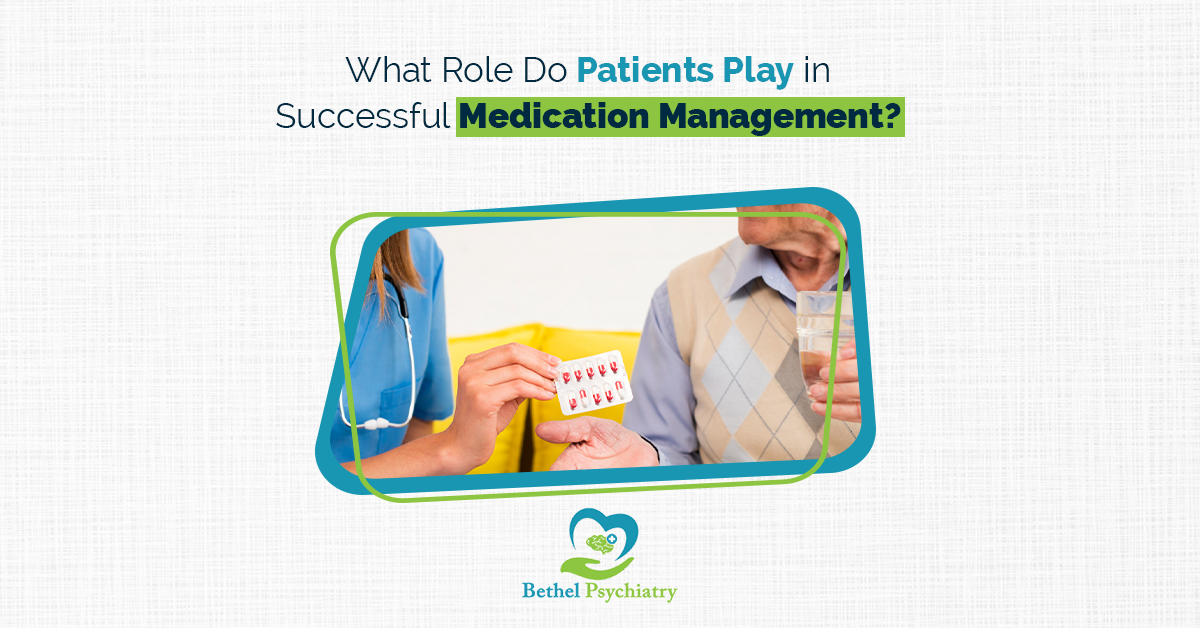
Medication management is a key part of mental health care. When followed properly, it helps people feel calmer, think clearly and enjoy daily life.
But medicine works best when patients take an active role in their treatment.
Here’s how patients can support successful medication management.
What Is Medication Management?
Medication management means using medicine safely and correctly to support mental health. It includes:
- Choosing the right medicine
- Taking the correct dose
- Watching for side effects
- Talking regularly with a healthcare provider
Every patient is unique. That’s why the medication plans must be personalized and carefully monitored.
At Bethel Psychiatry LLC, we offer safe and individualized medication management based on each patient’s needs.
Why Patient Involvement Is Important
Medicine works best when patients are involved in their care. Patients are the most appropriate individuals to know how their daily life works, thoughts and emotions. Through this, providers can make decisions.
The involvement also makes patients empowered and motivated. Instead of feeling confused or afraid, they begin to understand their treatment and trust the process.
Small actions from patients can lead to big improvements in results.
Patients’ Key Roles in Successful Medication Management
Taking Medication as Directed
Taking medication as prescribed is one of the essential roles of a patient. This shows the importance of medication compliance and aids in the treatment process to be conducted safely.
Patients should:
- Take the correct dose at the recommended times
- Follow instructions about taking medication with food or drink
- Don’t skip doses or discontinue medication without getting advice from a provider
Stopping medication too early can make symptoms worse. So, stick to your schedule for safety and effectiveness.
Sharing Honest Feelings and Changes
Patients should honestly share how medications affect them. This includes:
- Changes in mood
- Trouble sleeping
- Feeling too tired
- Feeling worried or restless
- New or unusual feelings in the body
Even small details can help the provider adjust the treatment plan. This is part of the strategies for medication adherence and improving overall results. Open communication builds trust and leads to better care.
At Bethel Psychiatry LLC, patients share openly in a safe and welcoming space.
Asking Questions Builds Understanding
Patients should feel free to ask questions about their treatment. Understanding medicine builds confidence and helps patients follow their care plan. Questions might include:
- What does this medicine help with?
- How long will it take to work?
- What potential issues should I observe?
- What steps should I take if I skip a dose?
Recognizing the answers helps patients feel at ease and involved in their care. Patients using many medications can ask their providers for help. They can get tips on how to manage multiple prescriptions effectively.
Bethel Psychiatry teaches patients about their care. This way, they can take charge of their own wellness.
Keeping Appointments Matters
Managing medicines effectively includes regular follow-up visits. These visits help the provider understand progress and make adjustments if needed.
Patients support their care by:
- Attending scheduled appointments
- Arriving on time
- Being ready to share how they feel
Even when things are going well, follow-up visits are still important. They help keep treatment safe and effective long-term.
Healthy Daily Habits Support Medication
Medication works best when paired with healthy habits. Patients can support their mental health every day by making simple lifestyle choices.
Helpful habits include:
- Getting enough sleep
- Eating healthy meals
- Moving the body gently with walks or light exercise
- Drinking enough water
- Limiting caffeine and sugar
- Avoiding alcohol and drugs
These habits help the brain and body work better. They also improve how medication affects the body.
Mental health care is not just about medicine. It is about caring for the whole person.
Patience and Consistency
Mental health medication often takes time to work. Some medicines take weeks to show full benefits. Finding the right medicine may take time as well.
The patients contribute to treatment by remaining patient and persistent. One of the most effective ways to improve medication adherence is through trusting in the process and remaining tied.
Building a Strong Partnership with the Provider
Effective medication management is a group activity. Both patients and providers collaborate to achieve better mental health. A good partnership includes:
- Honest communication
- Shared decision-making
- Respect and trust
Feeling heard and supported is a safe and effective approach to treatment.
Bethel Psychiatry LLC focuses on compassionate care and supportive relationships. Patients are treated with dignity, understanding and respect.
How Bethel Psychiatry Supports Patients
Bethel Psychiatry provides comprehensive mental health care for long-term wellness.
Services include:
- Psychiatric evaluations
- Personalized treatment plans
- Ongoing medication management
- Compassionate psychiatric care
- Support during difficult times
Our setting is secure, considerate, and private, encouraging individuals to actively participate in their own healing.
Tips to Improve Medication Adherence
- Use pillboxes or weekly organizers
- Schedule notifications on your device or wristwatch
- Ask your doctor if simpler dosing schedules are possible
- Use medication adherence programs or apps
- Learn about your medications’ purpose and side effects
Final Thoughts
Medication management works best when patients and providers work together. Patients and providers collaborate to manage medication, often for depression, anxiety, and other mental health conditions.
By following prescription adherence, open communication, asking questions, attending appointments, maintaining healthy habits and medication adherence strategies, patients play a role in enhanced results.
At Bethel Psychiatry LLC, kind help is always here. You do not have to go through this alone.
When we work together, medicine can help bring healing, growth and hope. Contact us to learn more.
FAQs
Can I change my medication dose on my own?
No. Always consult your provider first. Changing doses without guidance can be unsafe.
What should I do if I miss a dose?
Missing a dose can happen. Do not panic. Speak with your provider to learn the best steps for your situation.
Can children and teens receive medication management?
Yes. Bethel Psychiatry provides care tailored to all age groups.